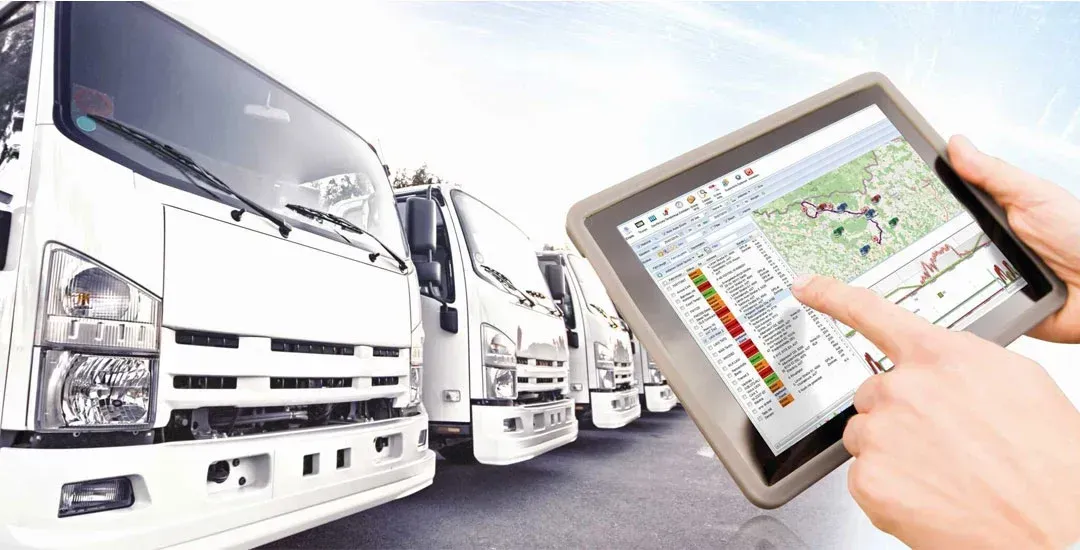
1. Telematics Systems
Telematics systems utilize GPS and sensors to monitor vehicle location, speed, braking patterns, and driver behavior. This data enables fleet managers to identify risky behaviors, optimize routes, and ensure timely maintenance, leading to improved safety and operational efficiency.
2. Dash Cameras & AI-Powered Driver Monitoring
Advanced dash cameras equipped with AI can detect signs of driver fatigue, distraction, and unsafe driving behaviors. These systems provide real-time alerts to drivers and fleet managers, facilitating immediate corrective actions and enhancing overall safety.
3. Advanced Driver Assistance Systems (ADAS)
ADAS technologies, such as lane departure warnings, adaptive cruise control, and automatic emergency braking, assist drivers in avoiding collisions and maintaining safe driving practices. These systems are increasingly integrated into commercial vehicles to reduce accidents and improve driver safety.
4. Artificial Intelligence (AI) in Fleet Management
AI enhances fleet safety by analyzing vast amounts of data to predict potential risks, optimize maintenance schedules, and improve driver performance. AI-driven platforms can detect patterns in driver behavior and vehicle performance, enabling proactive management and reducing the likelihood of accidents.
5. Predictive Maintenance
Utilizing data from telematics and AI, predictive maintenance systems forecast potential vehicle issues before they lead to breakdowns. This approach minimizes downtime, reduces repair costs, and ensures vehicles are operating safely and efficiently.
6. Mobile Fleet Management Applications
Mobile apps allow fleet managers and drivers to access real-time data, receive alerts, and manage operations remotely. These applications facilitate better communication, streamline workflows, and enhance decision-making processes, contributing to improved fleet safety.
7. Data Security and Compliance Monitoring
With the increasing reliance on digital tools, ensuring data security and compliance with regulations is paramount. Advanced monitoring systems help fleets adhere to safety standards, track compliance metrics, and protect sensitive information from cyber threats